Each review in this section scores one website or one app on six criteria, with 0 to 10 points for each. The tables below say what earns 0, 5 and 10, so you can score a service yourself and compare your numbers with ours. When a brand has both a website and an app, each gets its own review.
Our own stake
Several brands we review compete with us, because our site, natalchartruler.com, also offers free birth charts and paid reports. No brand pays us for a review or a score. The reviews carry no affiliate links, and a click through to a brand earns us nothing.
What we test
We use only what a visitor can reach without paying, and we buy nothing. Prices are copied as shown on the brand’s own pages and in its App Store and Google Play listings. If a free tool asks for an email address or an account, the review says so and says if we stopped there.
We don’t judge whether a horoscope, chart reading or psychic reading is accurate. Every criterion rests on something a reader can open and check.
Dates and sources
Each fact carries the date we read it. Sources are the brand’s own pages, legal pages and store listings, linked at the end of every review. A figure from anyone else appears only with its source and date. If two of a brand’s pages disagree, we report both.
Screenshots
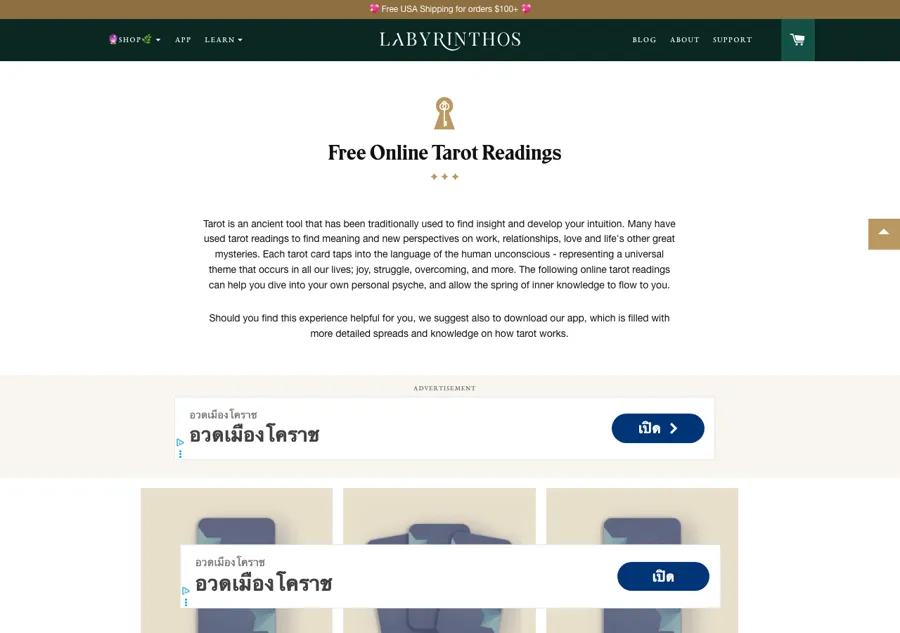
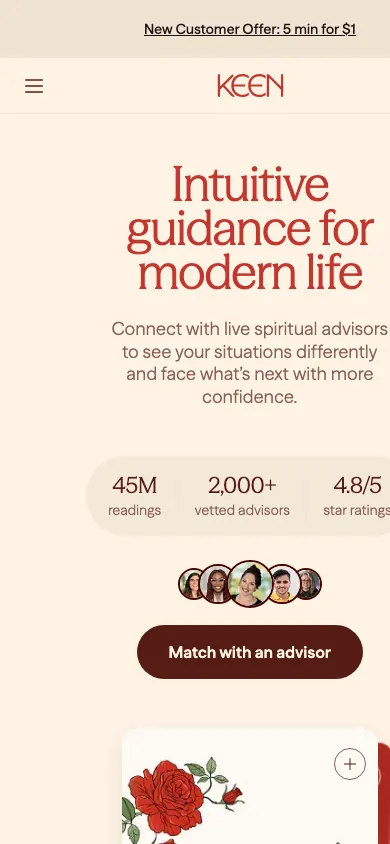
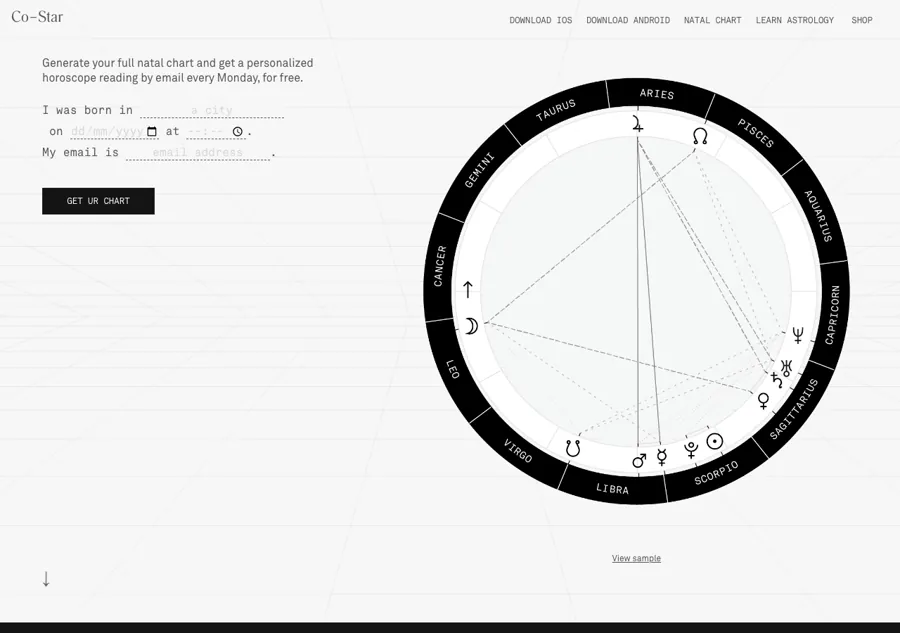
We capture site screens ourselves on the check date, in a clean browser profile with no logins or saved cookies. Desktop captures are 1,280 pixels wide. Phone captures are narrower, at 390. A cookie banner stays in the picture when it appears, because new visitors see it too.
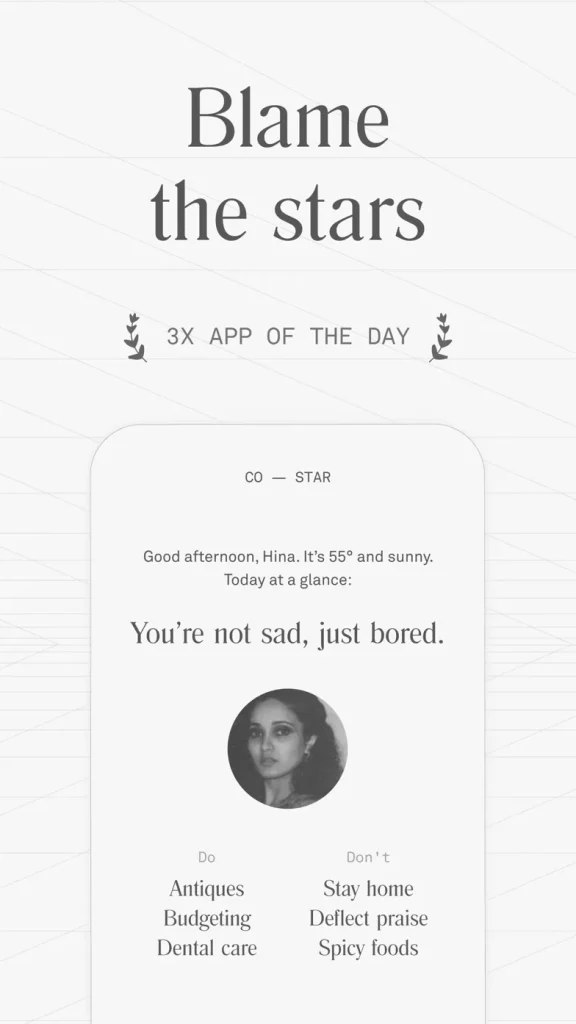
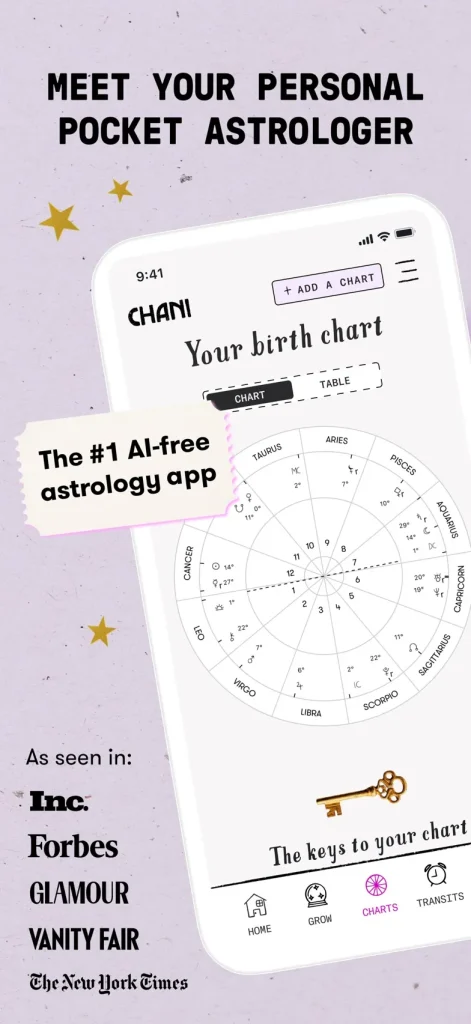
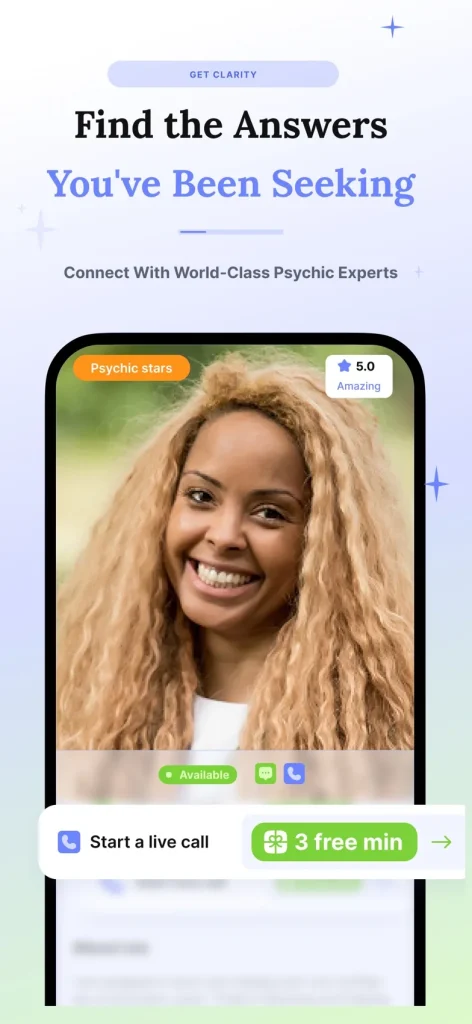
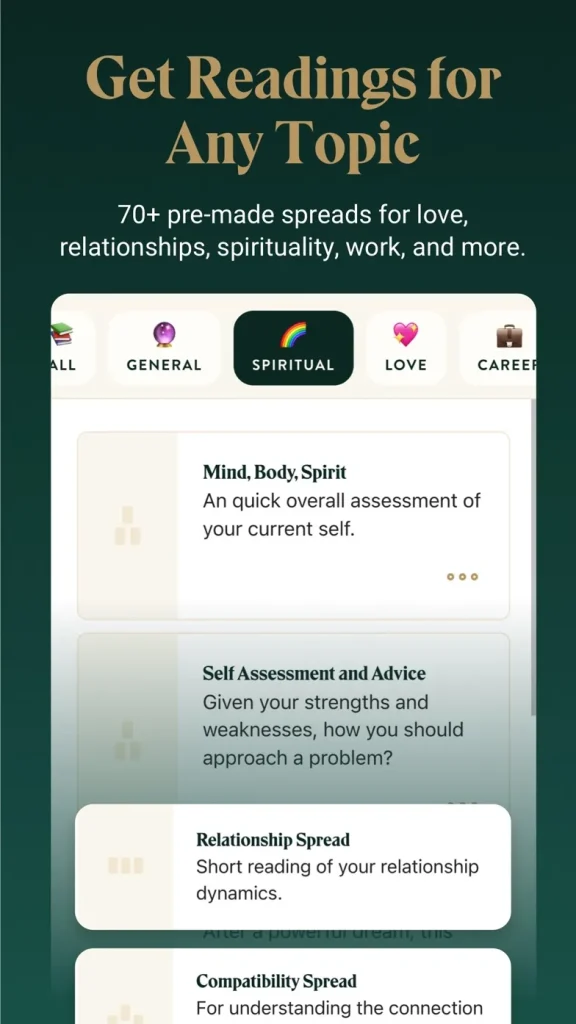
App screens come from the brand’s App Store listing, with the developer credited as the image owner. Captions describe only what is visible.
Criteria for websites
| Criterion | 0 points | 5 points | 10 points |
|---|---|---|---|
| Free features | Nothing works without paying | One free tool, or free tools gated by an email or account | Three or more free tools with full results, no email or account, and guides free to read |
| Price clarity | No price before sign-up or checkout | Some items priced on the site, others only in a store or account | Every item priced before sign-up, renewal terms included |
| Method openness | No data source, zodiac or house system named (psychic sites: no reader screening described) | Some named, or two of the site’s pages disagree | Ephemeris, zodiac, house system and text authors named, pages agree (psychic sites: each screening step described) |
| Privacy | No policy, or one that allows selling data | No selling, but the free tool needs contact details or data goes to analytics or ad partners | No contact details needed, no selling or ad sharing, storage named, deletion steps given |
| Upsell pressure | A paywall or ads block the free result | App pushes, paid prompts or ads on the way, result still reachable | No ads or paid prompts before the free result |
| Ease of use | No result without an app install or a password | An extra step such as email confirmation, or more than five fields | Result on screen after one page and three fields or fewer, fits a phone screen |
For upsell pressure, a high score means few ads and few paid prompts.
Criteria for apps
| Criterion | 0 points | 5 points | 10 points |
|---|---|---|---|
| Free tier | Paid app, or a timed trial | Some free features, but chart, daily content or compatibility cost money | Free chart, daily content and compatibility with no time limit, each paid item explained |
| Price clarity in the listing | No in-app prices listed | Prices listed, some items or renewal terms unexplained | Every item priced and explained, renewal terms included |
| Data collected | Label lists data used for tracking | Some data linked to the user, none used for tracking | Data Not Collected, or diagnostics only |
| Upsell pressure in the listing | Screenshots mostly paywalls or prices, or core costs hidden | Paid features get as much room as free ones | No paywall or price in screenshots, paid extras listed apart |
| Update record | No update in two years | Last update within six months | Update within 30 days on each store, 12 or more a year, notes that say what changed |
| Store reputation | Below 3.0 | Near 4.0, or under 1,000 ratings | 4.7 or higher from 10,000 or more ratings on every store checked |
The data score reads the App Store label. The Data safety section on Google Play is reported beside it without changing the score.
How the scores add up
A service that falls between two columns gets a score in between, and its evidence line names what’s missing. If we couldn’t see part of a flow, we score what we saw and say so.
The overall score is the unweighted average of the six, to one decimal. For example, scores of 8, 5, 7, 6, 9 and 4 add up to 39, and 39 divided by 6 is 6.5. Reviews print that number with no stars or badges.
Store ratings and privacy labels
Ratings and rating counts come from the App Store and Google Play listings on the check date and appear as dated facts. Only the store reputation criterion turns them into points.
Privacy labels are the developer’s own answers. Apple’s privacy page for developers says the developer fills them in and must keep them up to date. We quote each label as filed and compare it with the brand’s privacy policy.
Corrections
A company that spots a wrong or outdated fact can write to info@natalchartruler.com, the public address in our site footer. Please send the page link, the fact and a link to a page that shows the current version. We recheck the fact at its source. If it has changed, the review and its check date are updated.